
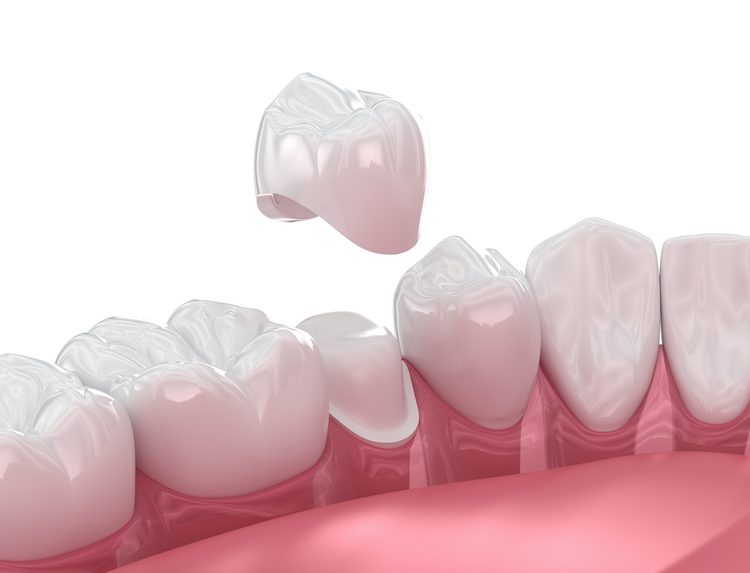
A dental crown is a durable and natural-looking restoration that protects a damaged or weakened tooth. While crowns are designed to last for many years, their longevity depends heavily on proper aftercare. Understanding how to look after your new crown from the moment you leave the dental chair helps ensure a comfortable recovery and could keep your restoration in excellent condition.
Understanding the Recovery Period
After your dental crown placement, it’s normal to experience some sensitivity or discomfort, particularly if your tooth was recently treated for decay or had a root canal. The surrounding gum tissue may also feel tender for a few days. Over-the-counter pain relievers and avoiding extremely hot or cold foods can help manage this temporary sensitivity. Your dentist may also recommend using toothpaste for sensitive teeth to ease any lingering discomfort.
If your crown was placed over a natural tooth, it’s important to remember that the underlying tooth and nerves are still present. This means you might notice slight sensations when biting or chewing at first. However, if pain persists or worsens after a week, it’s best to contact your dentist to ensure the bite alignment and crown fit are correct.
Caring for Your Crown at Home
Daily oral hygiene remains just as important after receiving a crown as it is for your natural teeth. Brush twice a day using a soft-bristled toothbrush and fluoride toothpaste. Make sure to clean along the gumline where plaque tends to accumulate. Crowns themselves don’t decay, but the natural tooth structure underneath can still be vulnerable to cavities if bacteria are allowed to build up.
Flossing is equally essential, although it should be done with care around your crown. Slide the floss gently in and out rather than snapping it up and down, which could loosen the crown over time. Some people find that using interdental brushes or a water flosser makes it easier to clean between teeth without placing pressure on the crown edges.
Eating and Drinking After a Crown
Immediately following your appointment, it’s best to avoid eating until the numbness from anesthesia completely wears off. Once you begin eating again, choose soft foods for the first day or two to allow your crown and the surrounding tissues to settle. Avoid sticky or chewy foods such as caramel, gum, or taffy. These can pull at the crown or weaken the dental cement during the initial bonding period.
Once your crown has fully set and your mouth feels comfortable, you can return to your normal diet. However, try to be mindful of habits that could damage your crown, such as chewing on ice, hard candies, or non-food objects like pens. These can cause chips or cracks, especially if your crown is made from porcelain.
Long-Term Maintenance and Dental Visits
A dental crown can last anywhere from 10 to 15 years or more with proper care. Regular dental checkups and professional cleanings are key to maintaining both your crown and the surrounding teeth. During these visits, your dentist will check for signs of wear, gum recession, or any loosening of the crown. Catching small issues early can prevent the need for more extensive repairs later on.
If you grind your teeth at night, your dentist may recommend wearing a nightguard. This protective device cushions your teeth from excessive pressure, helping prevent cracks and wear on your crown. Maintaining a balanced diet rich in vitamins and minerals also supports gum health and crown strength.
Dental Crown Care in Annapolis, MD
At Lighthouse Family Dentistry, we are dedicated to help you preserve your oral health. If you have excessive damage or decay, a dental crown could protect your tooth and prevent the need for extraction. Contact our office today to schedule a consultation and learn more about your restorative treatment options.